


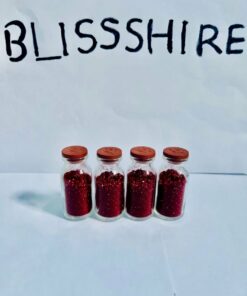
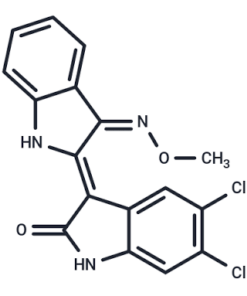
KY-19382
$280.00 Original price was: $280.00.$250.99Current price is: $250.99.
KY-19382
KY-19382 is a small-molecule compound studied in the field of regenerative medicine and cellular signaling research. It is mainly investigated for its ability to activate the Wnt/β-catenin signaling pathway, which plays a role in tissue repair, stem cell activity, and hair follicle regeneration.
Researchers continue to explore KY-19382 in laboratory and preclinical settings for its biological effects and therapeutic potential.
Chemical Properties of KY-19382
Basic Chemical Information
Compound Classification
- Small-molecule Wnt/β-catenin activator
- Experimental research compound
- Signal pathway modulator
Molecular Characteristics
- Designed to inhibit CXXC5-Dvl protein interaction
- Enhances β-catenin signaling activity
- Investigated for regenerative applications
Research Function
KY-19382 works by targeting proteins involved in cellular communication pathways. This may help stimulate:
- Cell growth
- Tissue repair
- Hair follicle activation
- Stem cell regeneration
Mechanism of Action
How KY-19382 Works
Wnt/β-Catenin Activation
The compound activates the Wnt/β-catenin pathway, a biological signaling system involved in:
- Hair growth regulation
- Skin regeneration
- Bone formation
- Cellular repair mechanisms
Protein Interaction Inhibition
KY-19382 blocks the interaction between:
- CXXC5
- Dishevelled (Dvl)
This action may improve regenerative signaling inside cells.
Potential Uses of KY-19382
Research Applications
Hair Regeneration Studies
Researchers study KY-19382 for:
- Hair follicle stimulation
- Hair cycle activation
- Scalp regeneration research
Tissue Repair Research
The compound is also explored in:
- Skin healing studies
- Stem cell activation models
- Bone regeneration experiments
Scientific Investigation
KY-19382 is commonly used in:
- Laboratory testing
- Cellular biology research
- Experimental regenerative medicine
Dosage Information
Research Dosage
Important Note
There is currently:
- No FDA-approved dosage
- No standardized human prescription guideline
- Limited human clinical data available
Dosage levels in scientific studies vary depending on:
- Research design
- Laboratory conditions
- Target tissue analysis
KY-19382 should only be handled in regulated research environments.
Side Effects
Potential Positive Effects
Observed Research Benefits
- Increased cellular regeneration
- Enhanced Wnt signaling activity
- Possible stimulation of hair follicle growth
- Improved tissue repair response in studies
Potential Negative Effects
Reported Concerns in Research
- Cellular overstimulation risk
- Possible abnormal tissue growth
- Uncertain long-term safety profile
- Limited human safety data
Safety Considerations
Because KY-19382 remains experimental:
- Human effects are not fully established
- Clinical safety evaluations remain limited
- Professional research supervision is necessary
Prescription Status
Is KY-19382 Prescription Approved?
Current Regulatory Status
KY-19382 is:
- Not FDA-approved
- Not approved as a commercial medication
- Primarily available for research purposes
It is not commonly prescribed in standard medical practice.
FAQs
What is KY-19382 used for?
KY-19382 is mainly studied for regenerative medicine and hair growth research.
Is KY-19382 FDA-approved?
No. It remains an experimental research compound.
Does KY-19382 promote hair growth?
Preclinical studies suggest possible hair follicle activation effects.
Can KY-19382 be prescribed?
There are currently no standard prescription approvals for routine clinical use.
Conclusion
KY-19382 is an emerging research compound investigated for regenerative and cellular signaling applications. Its role in Wnt/β-catenin pathway activation has attracted attention in hair growth and tissue repair studies. However, further clinical research is necessary to confirm long-term safety, effectiveness, and medical applications.
Reviews
There are no reviews yet.